
News from MapLE
Stay up to date with MapLE’s research
(23/3/2026) The MapLE team
In order to investigate the conceptual space of epistemicity and design an accurate theoretical model to account for it, we need to look at how languages of the world grammatically manage the attention and knowledge of speaker and addressee! The aim of MapLE is to do so by looking at the linguistic variety found in Africa thanks to the expertise of native speaker linguists. Last week, we had our very first meeting with the whole team. Let me introduce you to:
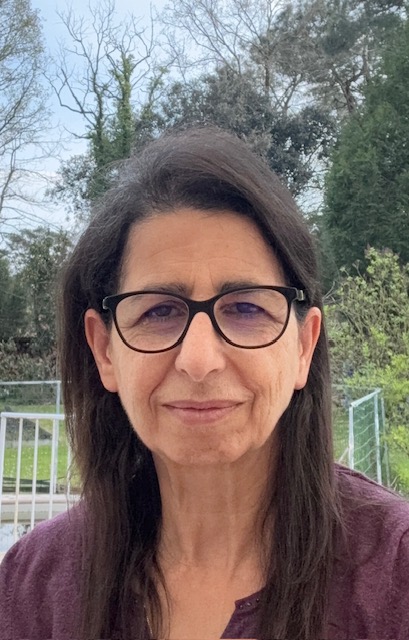
Ourida Manseri (INALCO, France) who will be working on Berber languages and specifically on the Kabyle language of Algeria.
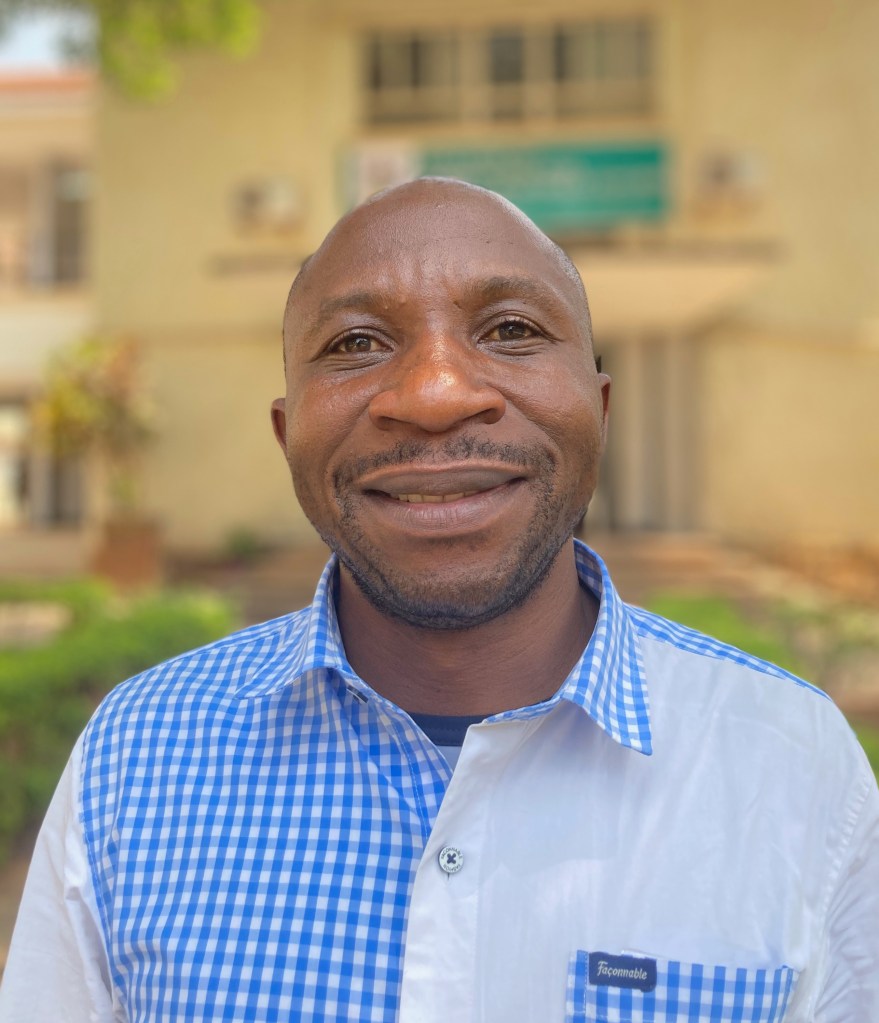
Jacques Muisha Muhabura who will be working on the endangered Bantu language Kihunde, spoken in the DRC.
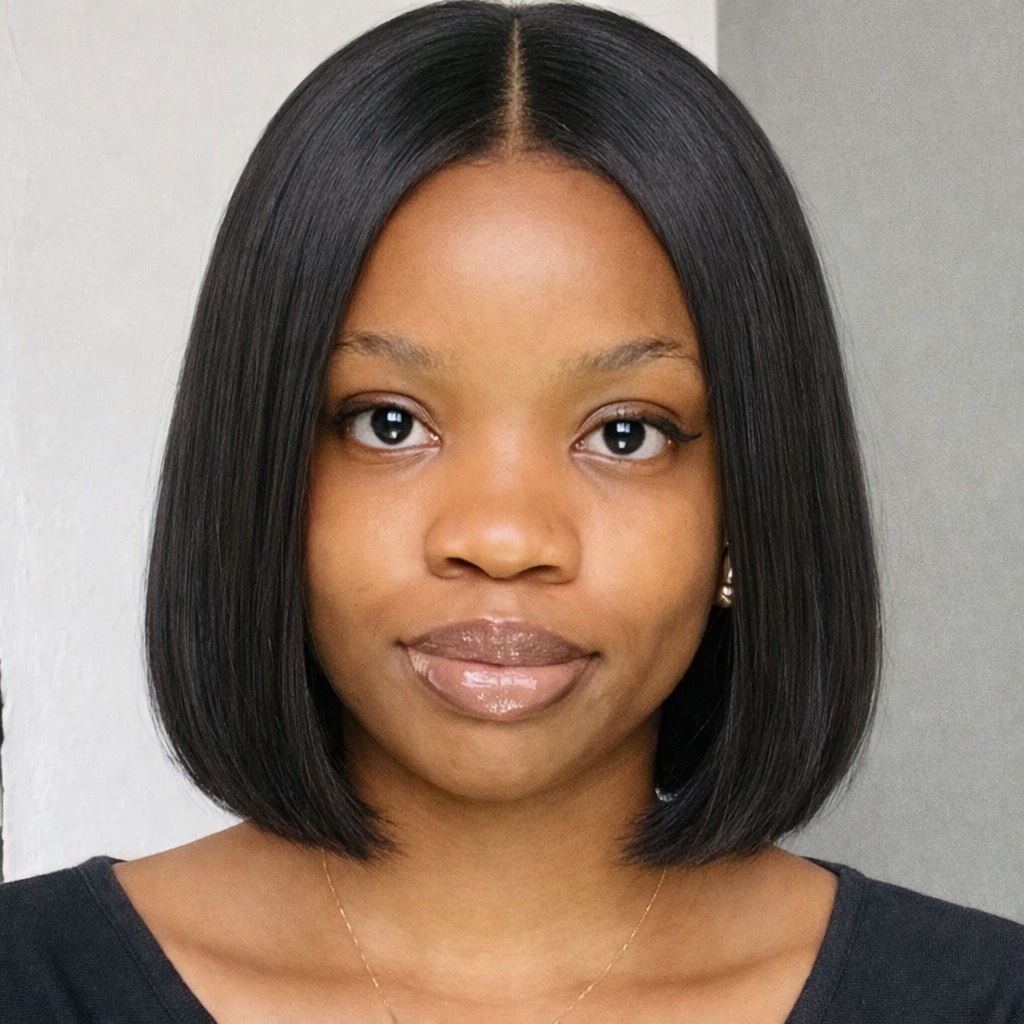
Chiamaka Glory Nwokolo who will be working on the Igbo language, spoken in Nigeria.

Walter Ochieng Sande (JOOUST, Kenya) who will be working on the Nilotic language Dholuo as it is spoken in Kenya.
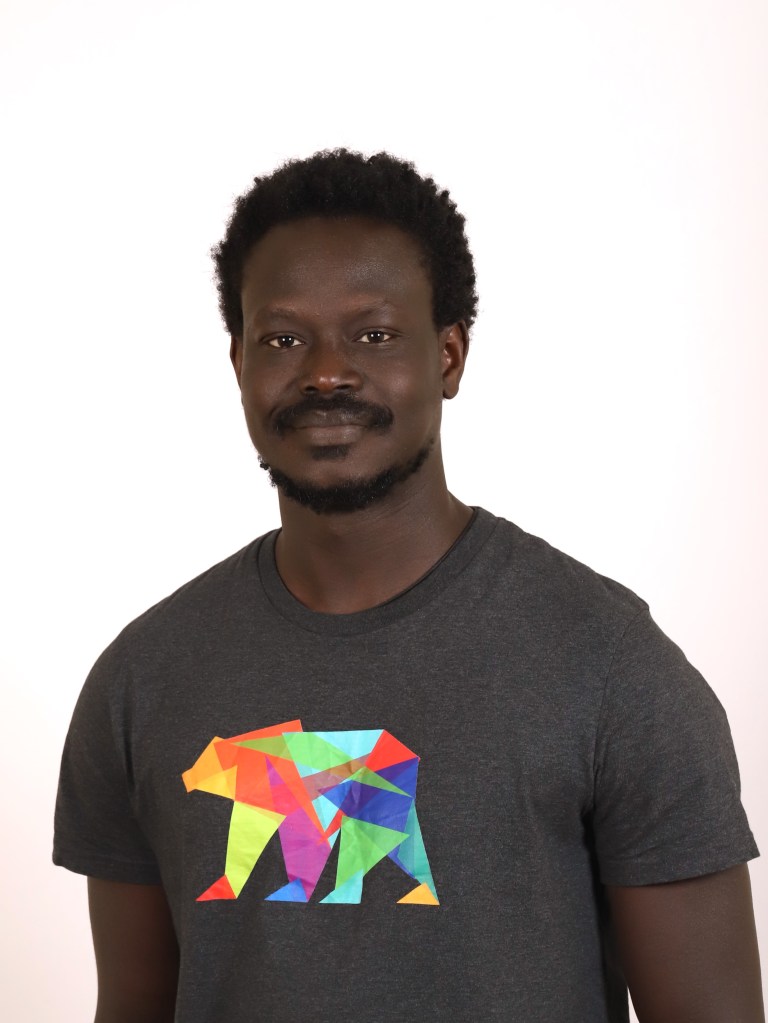
Guillaume Guitang (Oxford University) who will be working on the Chadic language Gizey, spoken in Cameroon.
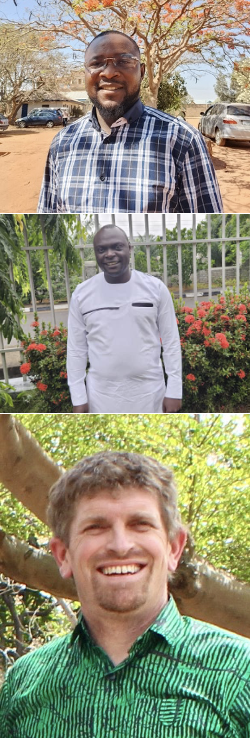
David Rowbory, Mungak Kopta, Payi Mafeng, Joseph Ibrahim Birnin-Tudu (SIL) and Rebecca Paterson (Princeton University) who will be working on Ashɛ and Waci.

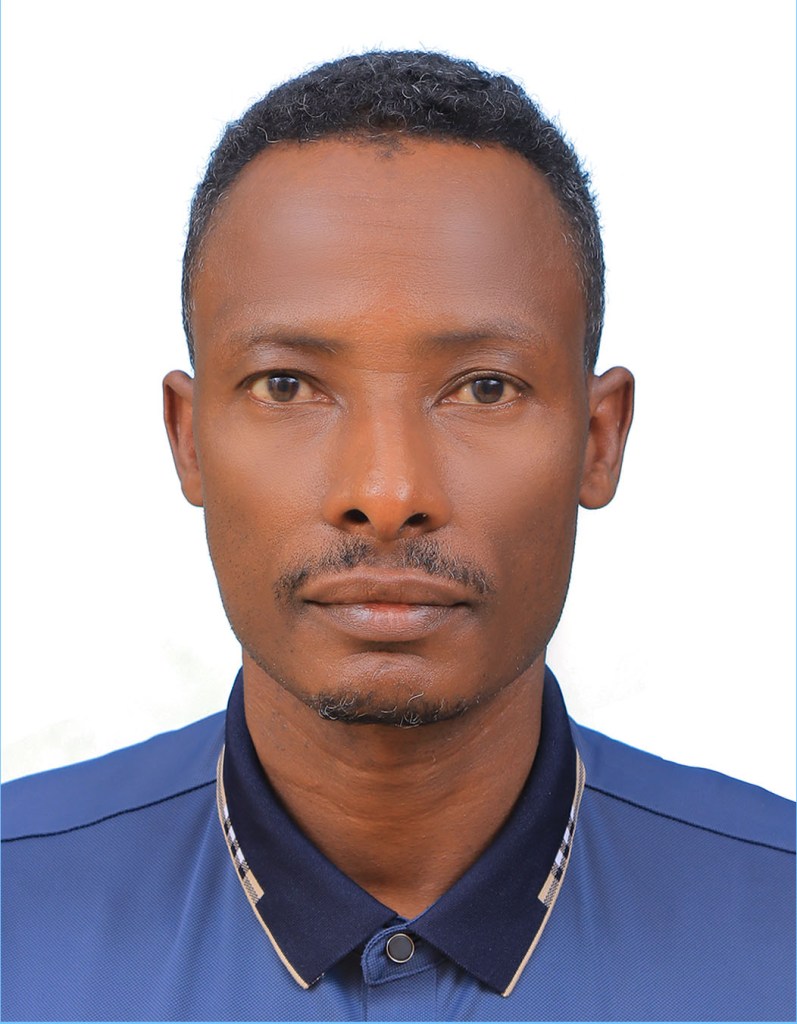
Eba Teresa Garoma (Jimma University, Ethiopia) who will be working on the Cushitic language Afaan Oromo, spoken in Ethiopia.
The whole team will meet in person for the first time next month, in Nairobi, during the MapLE training session, where we will discuss the best methods and practices for epistemic fieldwork.
After that, the collaborators will collect and analyze linguistic data in their native language. By studying the grammatical expression of epistemicity in African languages, MapLE will fill a relevant research gap: African languages are in fact often assumed to lack evidentiality or other types of epistemic systems but this is mostly due to lack of research!
(25/2/2026) DGfS workshop talk
Jenneke presented on the MapLE project and its methodology at the annual meeting of the DGfS at a workshop ‘Finding patterns through fieldwork in African languages’. How can we study epistemicity? How do we gather data? Here are the slides.
(3/10/2025) Epistemicity glossary online
As the area of epistemicity is not only large conceptually, but also in terminology, we have created a glossary with definitions and explanations of all the terms we have come across. The second version can be found on the page Glossary. We hope it may be helpful to better understand (aspects of) epistemicity and disentangle the terminological web.
As it is only a second version, we invite everyone to help us improve it by pointing out any errors and omissions – please send them to maple@hum.leidenuniv.nl. Thanks!
(25/9/2025) Talk at Syntax-Interface Lectures Utrecht
Jenneke is invited to give a talk about the MapLE project in Utrecht. Here are the slides.
(1/9/2025) Crisófia starts as PhD candidate
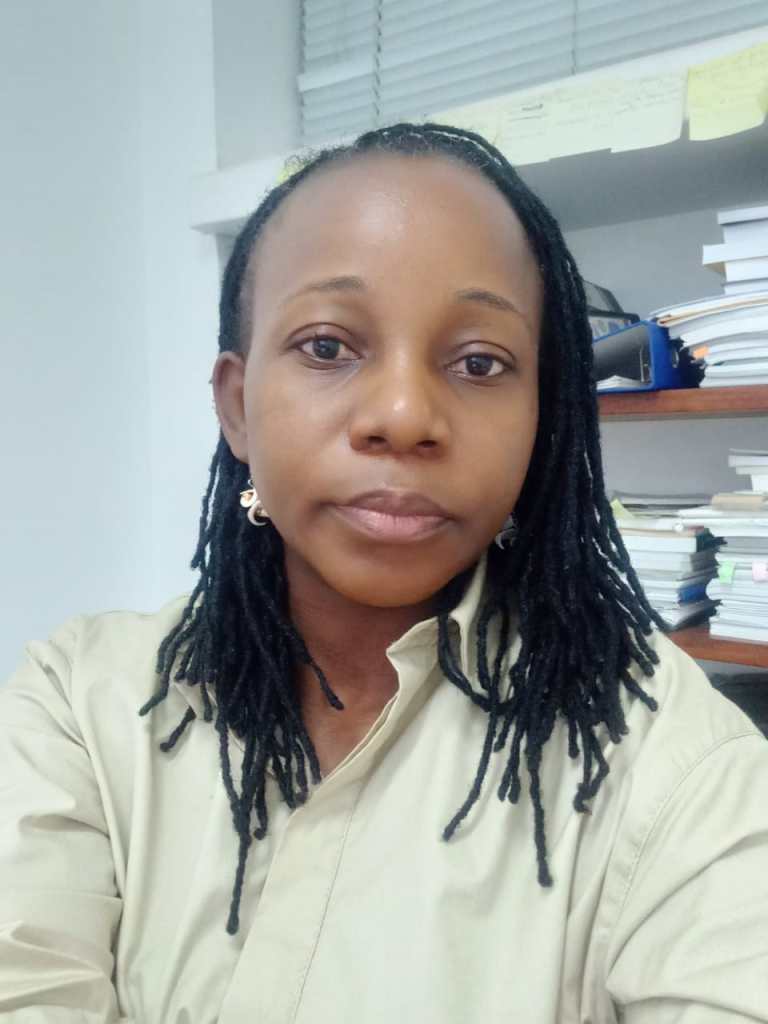
Crisófia Langa da Câmara arrived freshly from Mozambique, together with her two daughters, to start her PhD project in Leiden. As a speaker and scholar of the Bantu language Cinyungwe, her subproject will focus on the expression of the truth in this language. There are various grammatical ways to emphasise that you *did* in fact do something, but it is unclear how exactly they are used and interpreted. That is what Crisófia will explore in her PhD. Welcome, Crisófia!
(16/7/2025) MapLE in the studio
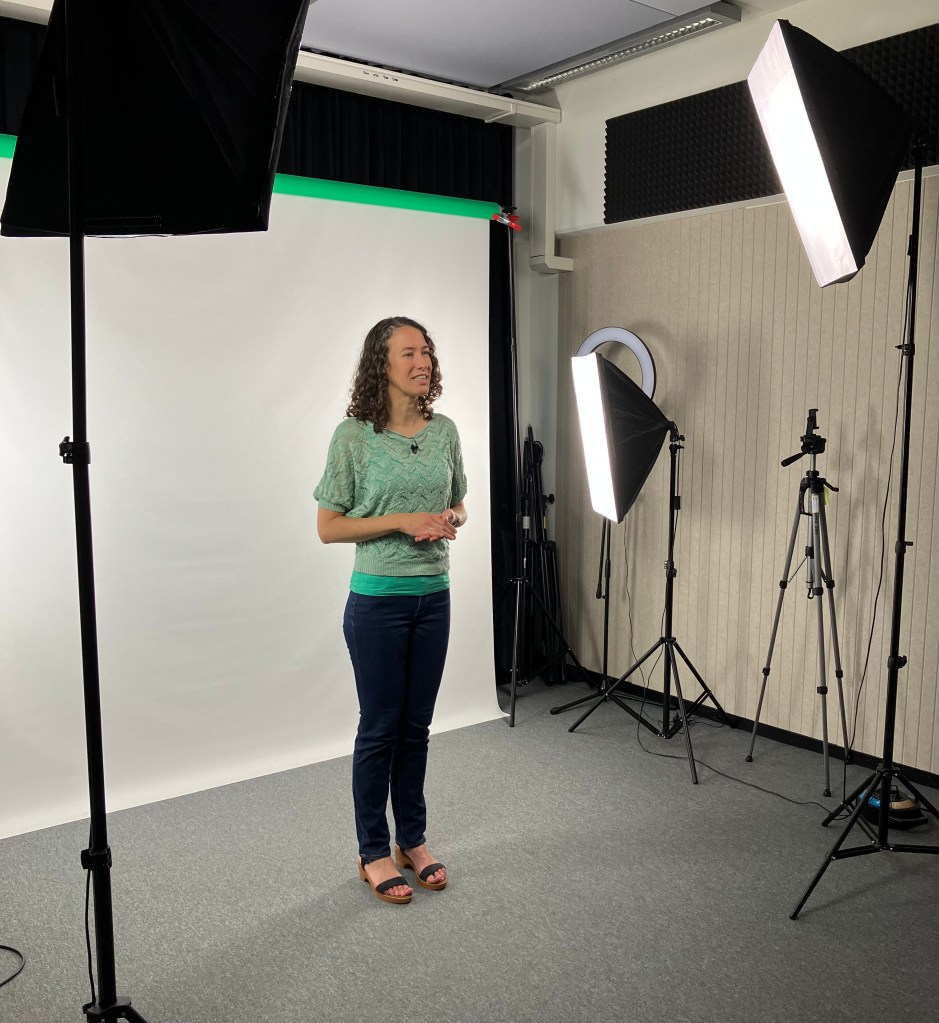
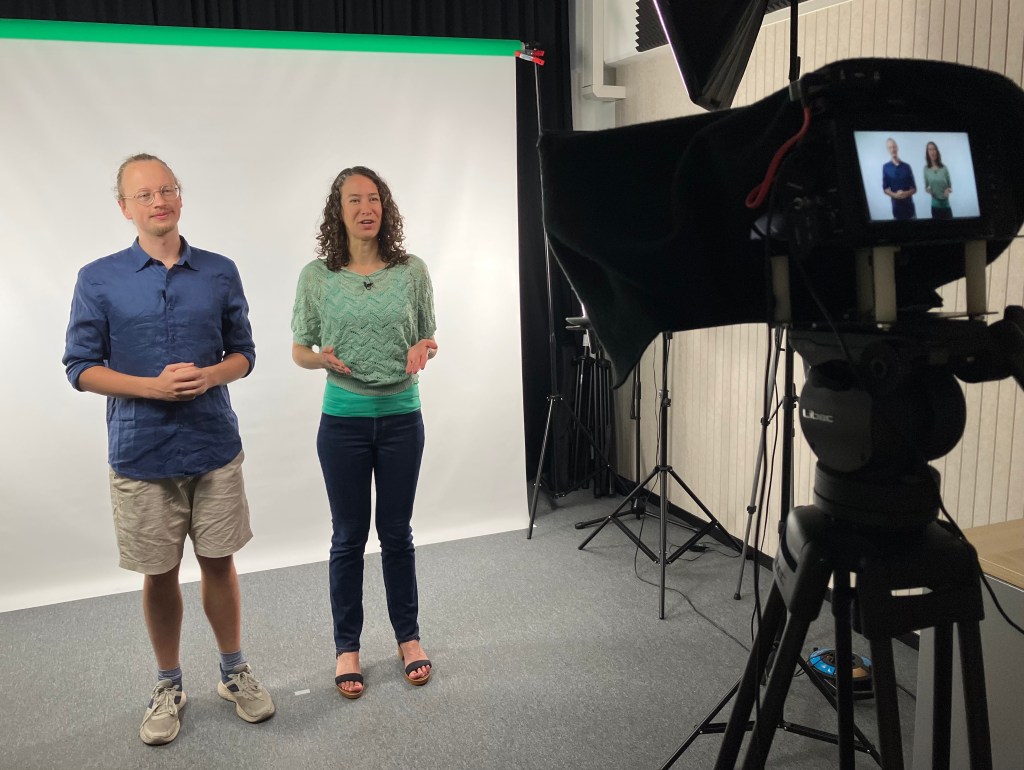
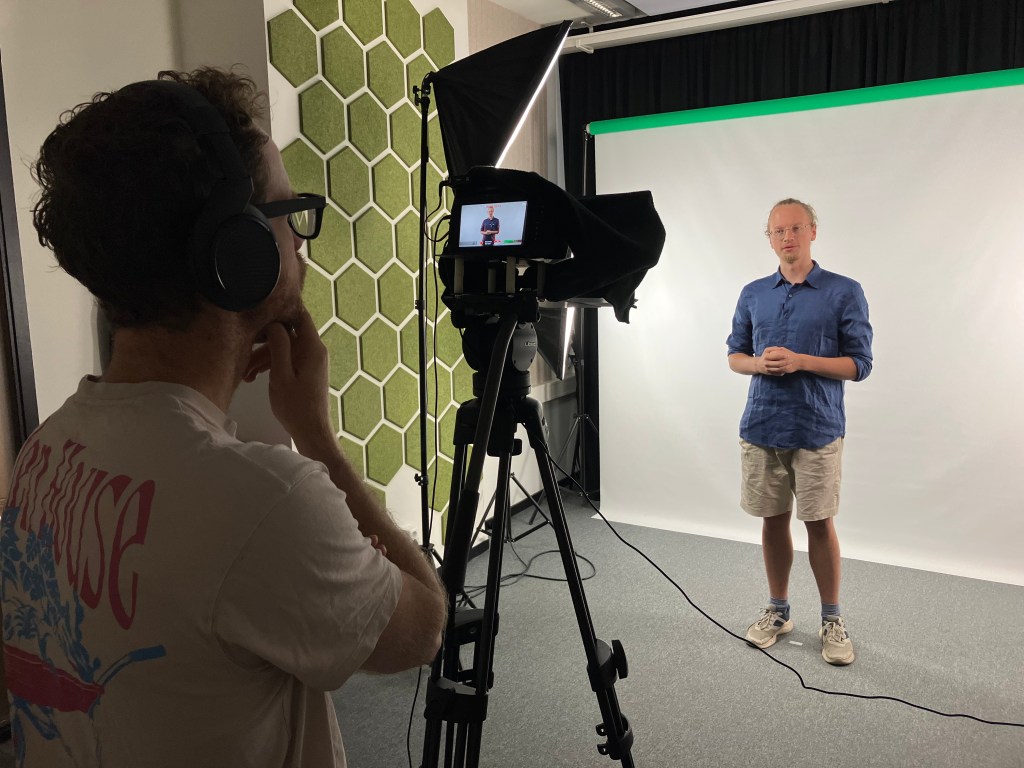
This week, we’ve been recording the lecture videos for the online masterclass, with the help of the amazing Thomas Vorisek at Leiden University. Eight modules full of information about epistemicity, the different aspects of interpretation, history, crosslinguistic variation, and methodology – so much fun!
(14/3/2025) MapLE Masterclass applications open
The applications for the MapLE Masterclass are now officially open!
The announcement page and the link to the application form can both be found at https://epistemicity.net/masterclass/
Please share it far and wide!
(1/2/2025) Assistant Håvard Weiberg-Johansen starts
In preparation for the online MapLE Masterclass later this year, MA Linguistics graduate Håvard will help in preparing the online learning platform, creating exercises, and organising the application process. Welcome to the MapLE project!

(10/12/2024) Brainstorm with the Advisory Board
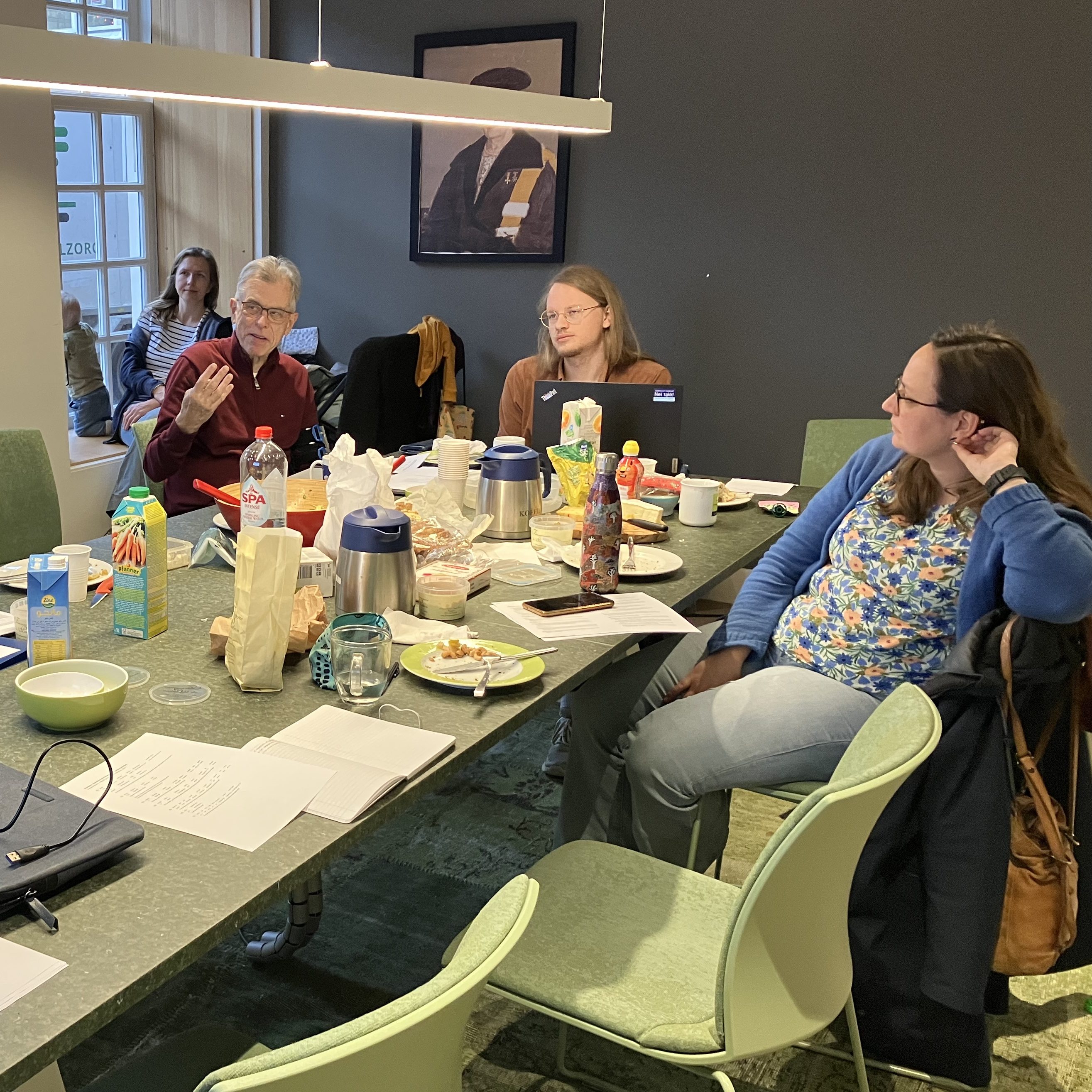
Now that the project is a couple of months underway, we consulted with members of the project’s Advisory Board, notably Karolina Grzech and Martine Bruil, plus distinguished guest Arie Verhagen, on the literature trawl and the course development. What a treat to have these in-depth discussions!
(24/10/2024) Talk at conference (Un)Reality and Evidentiality in Language, Cognition, Society
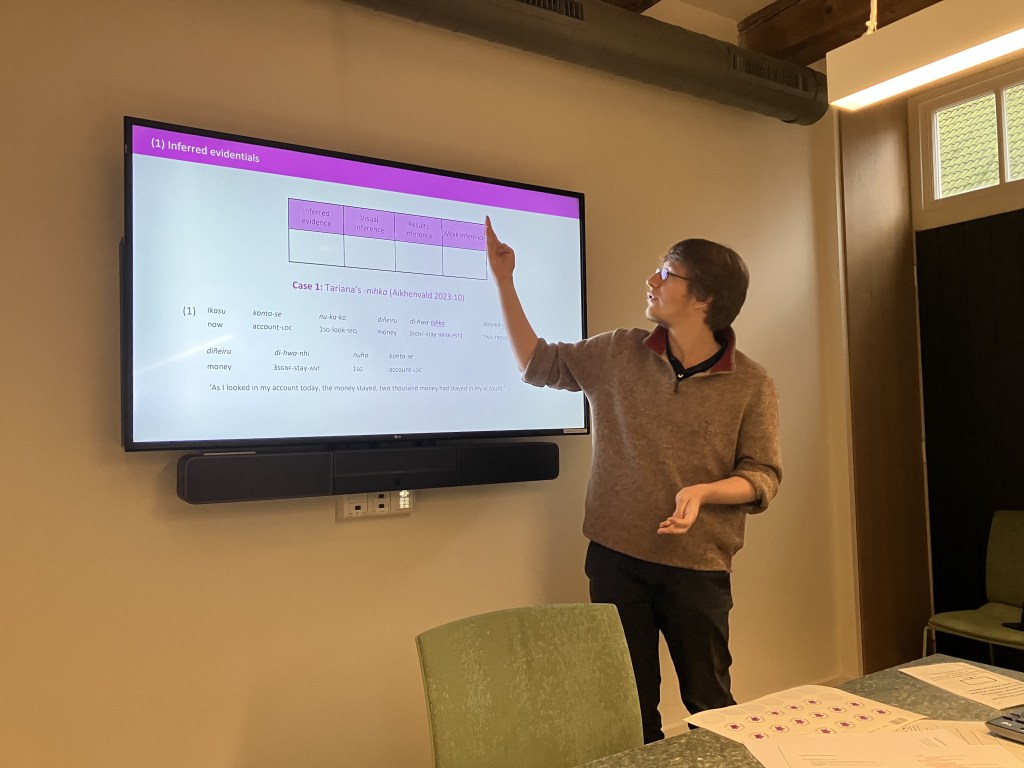
Jenneke presents the MapLE project at this conference organised by the University of Cyprus. See here fore the conference, and here for the programme. You may also check the slides for this presentation
(14/10/2024) Talk at LISTEN
Online talk on ‘Information structure in the wider domain of epistemicity’ at the LISTEN network – see https://sites.google.com/view/listen-is/talks-events for details.
(20/9/2024) Launch of the project
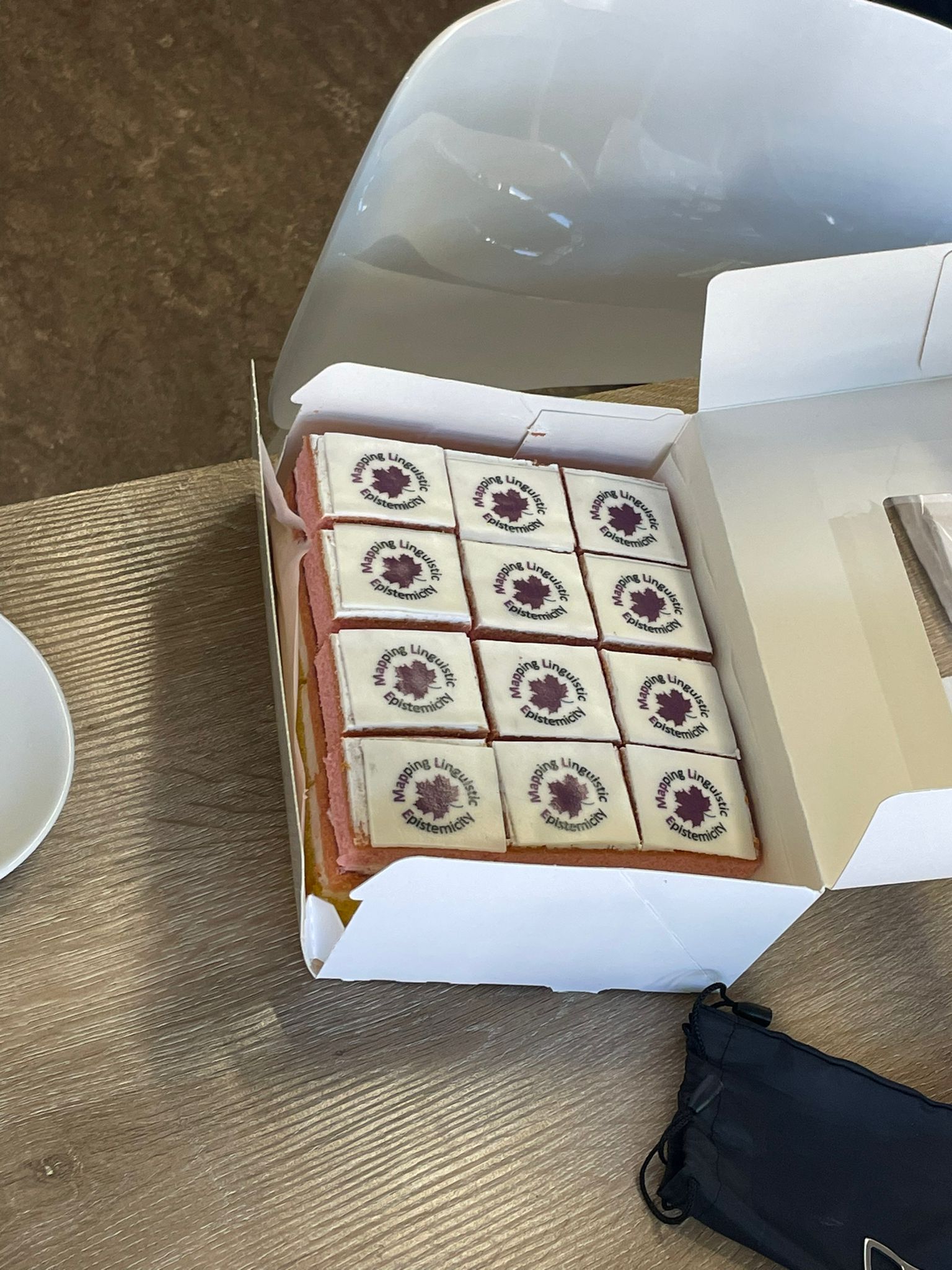
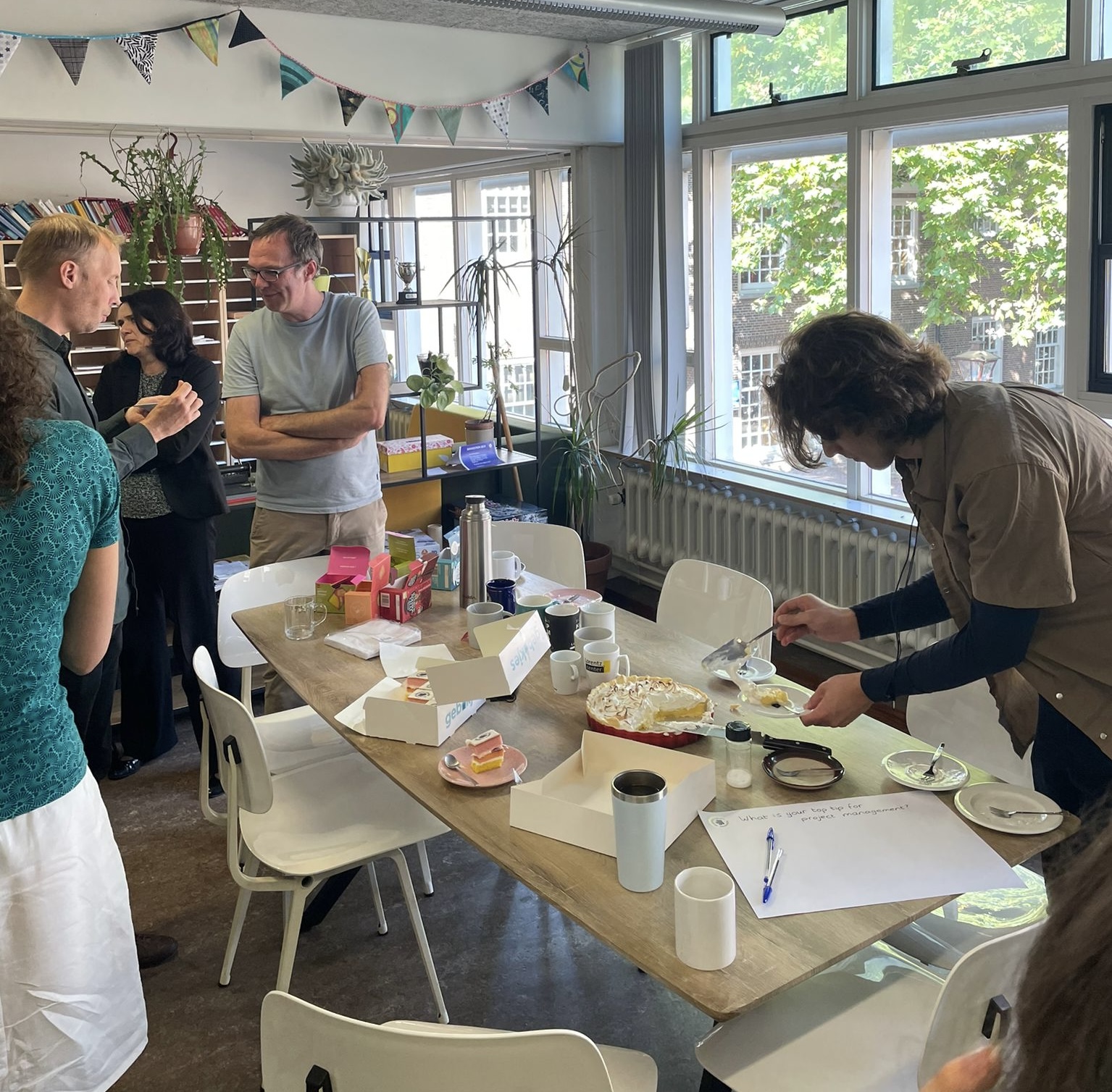
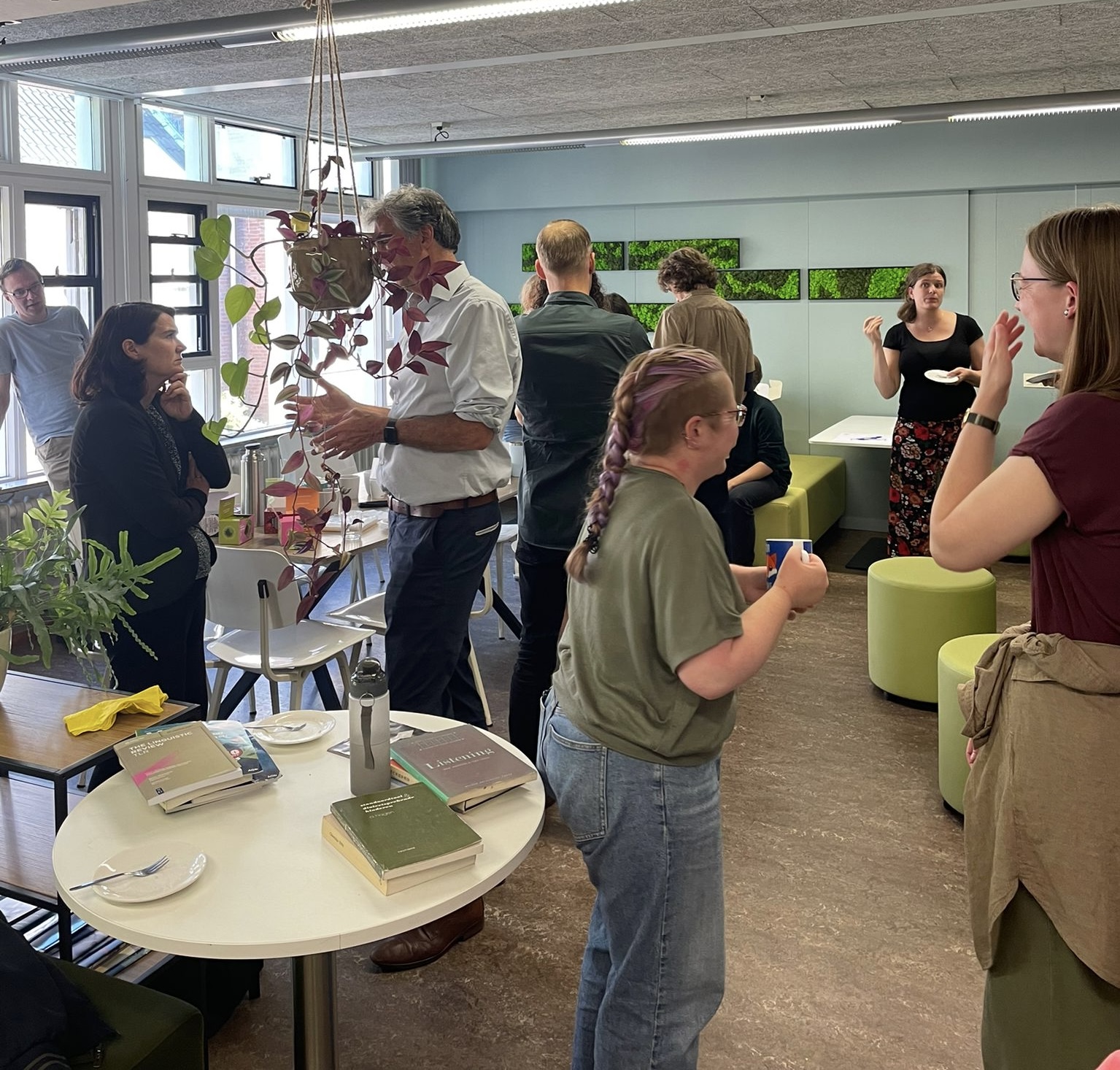
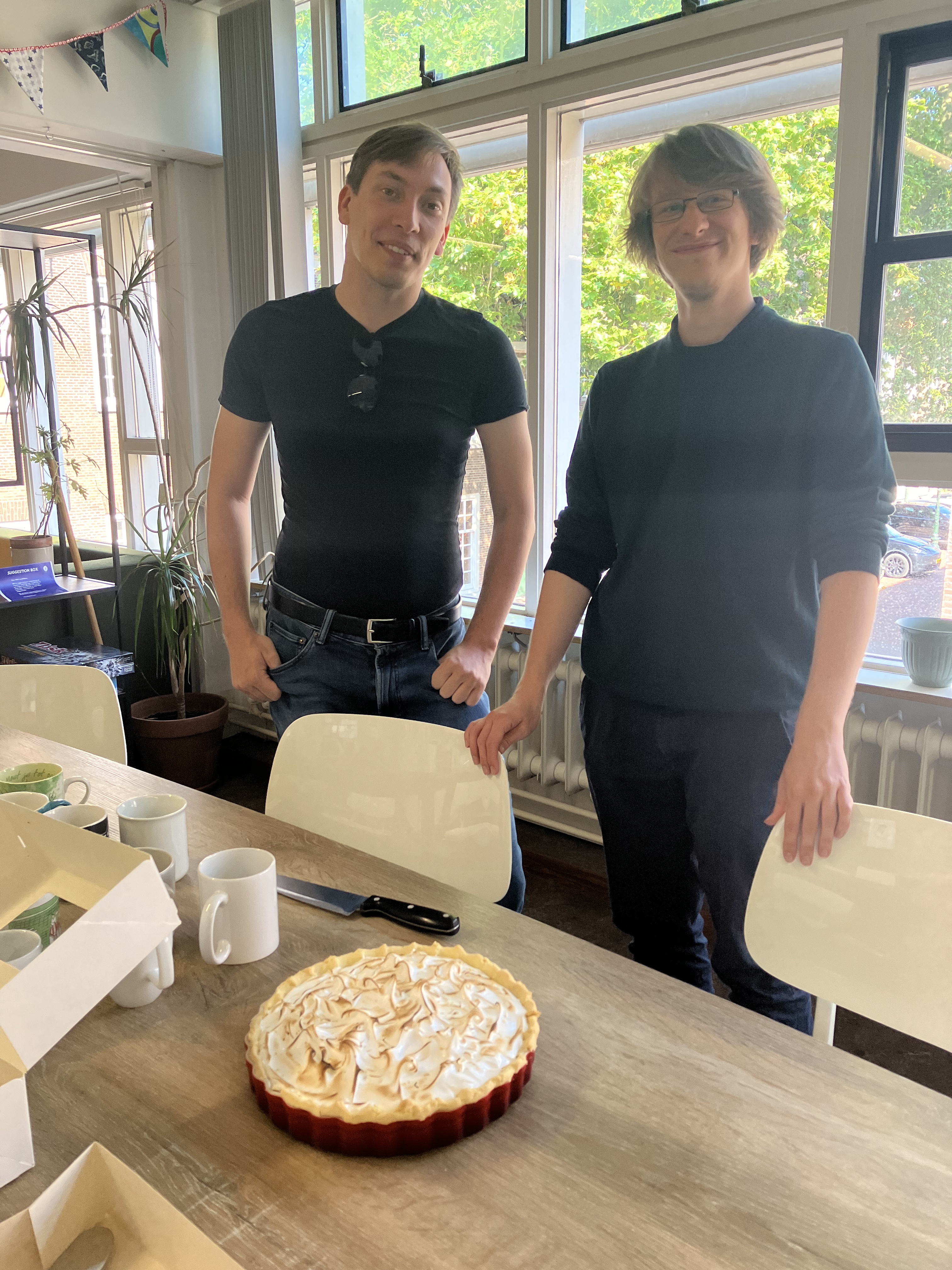
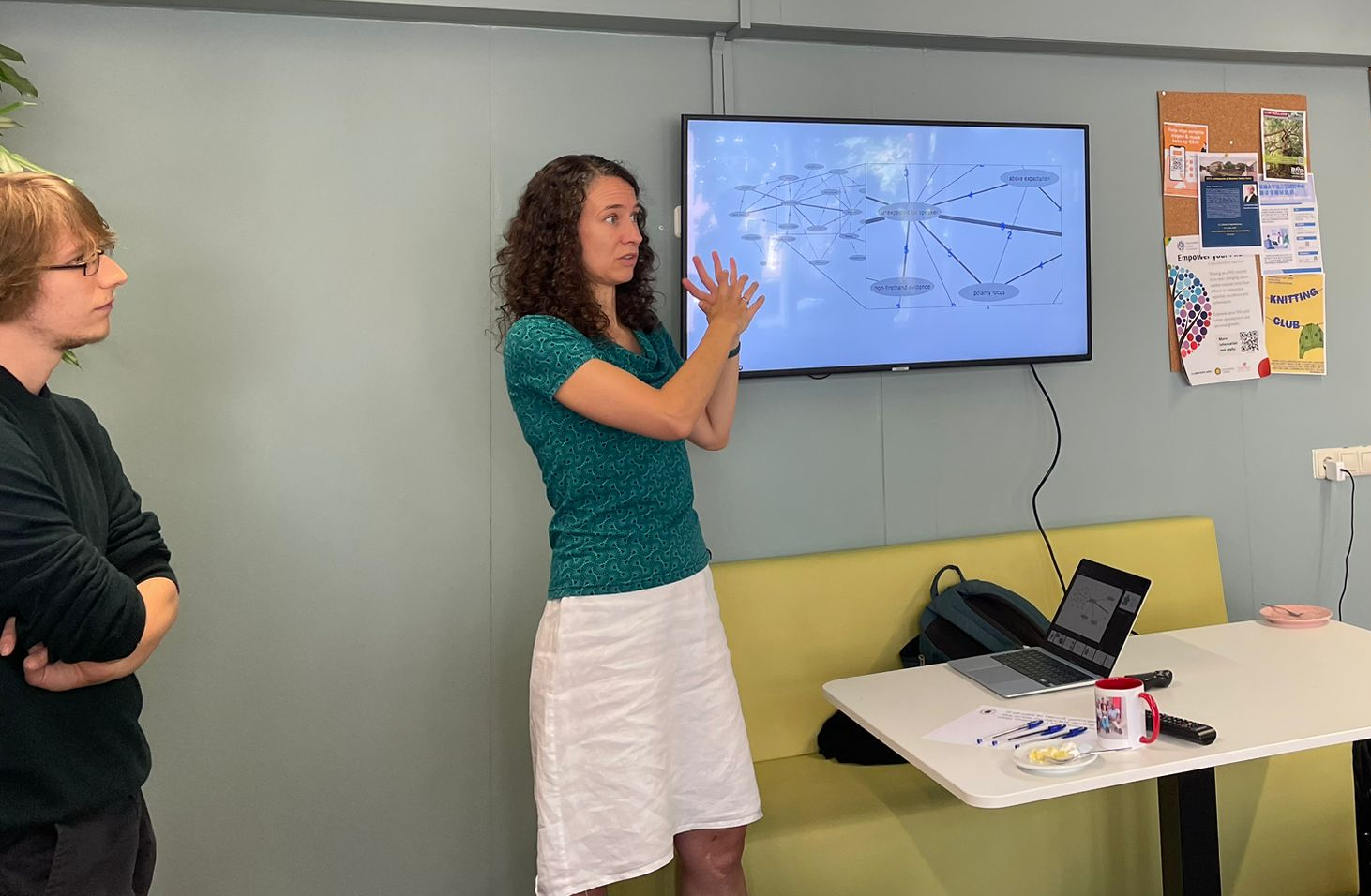
We celebrated the start of the MapLE project with the colleagues at LUCL!
(14/9/2024) Escape room African languages at Nacht van Ontdekkingen
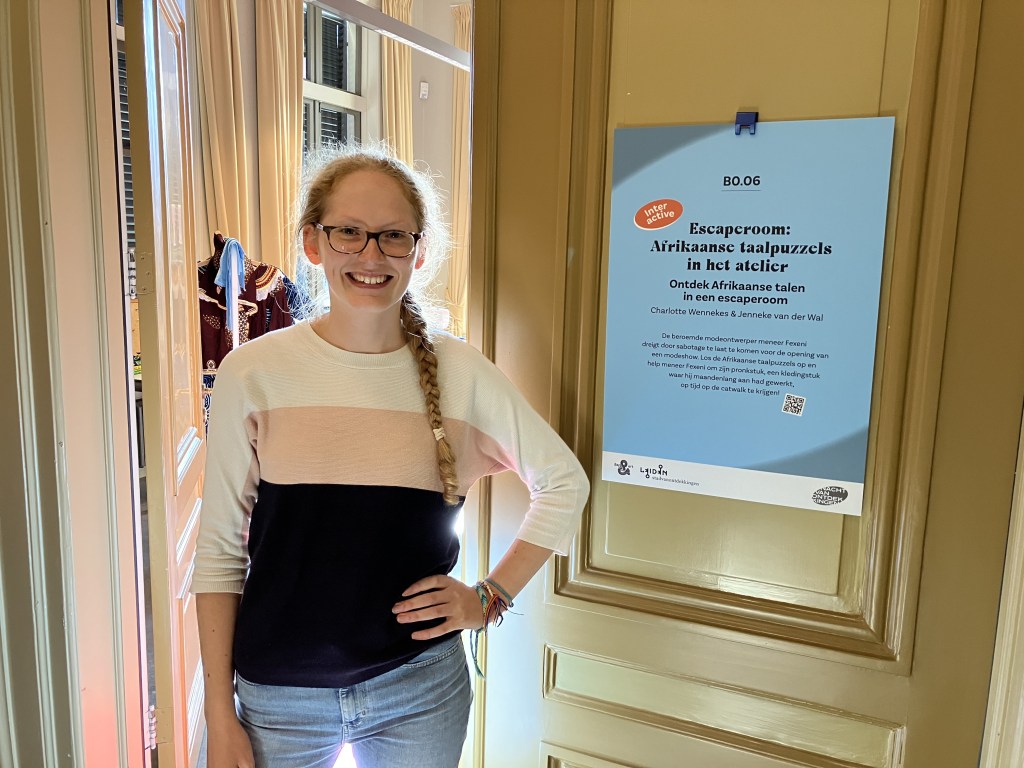
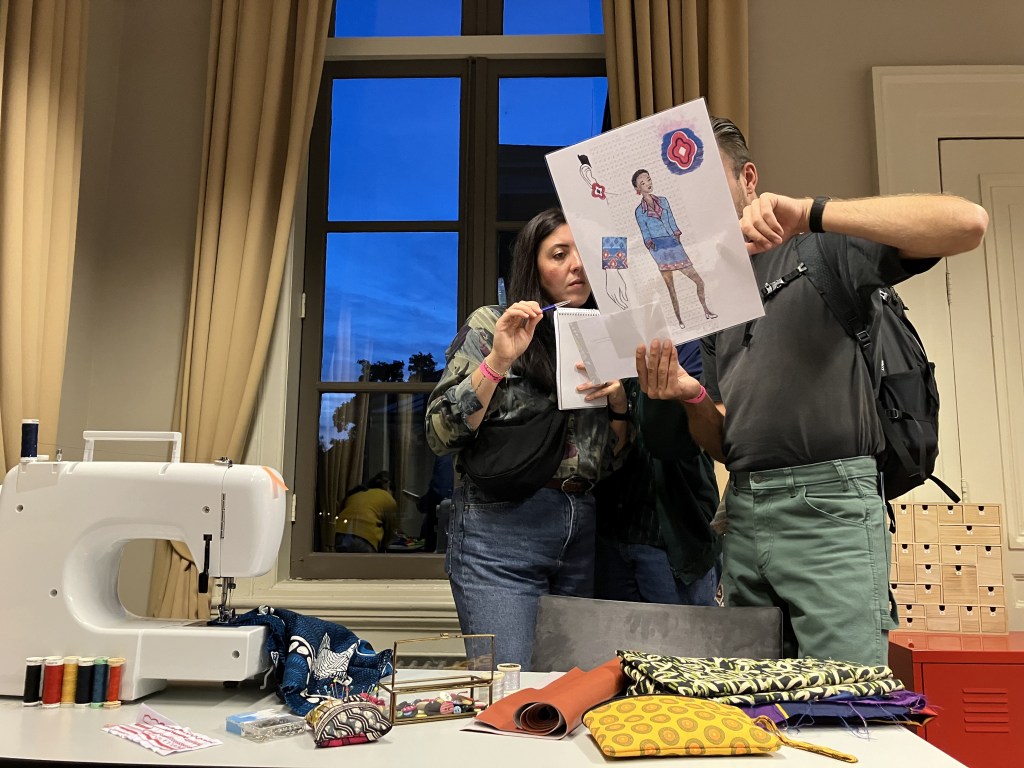
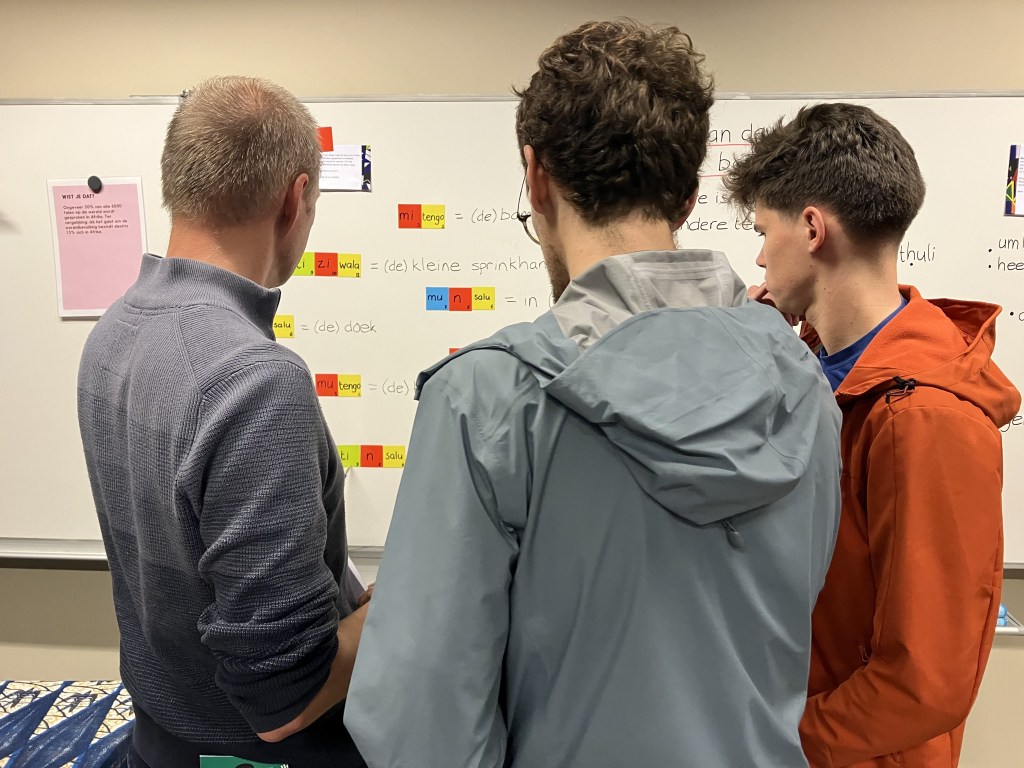
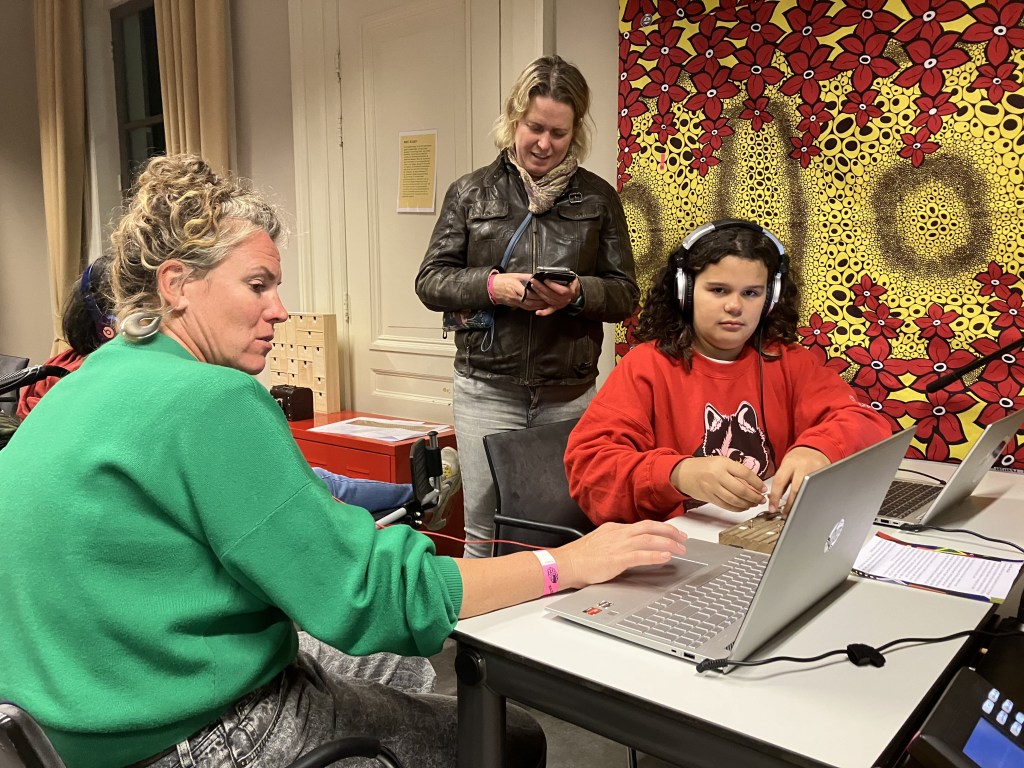
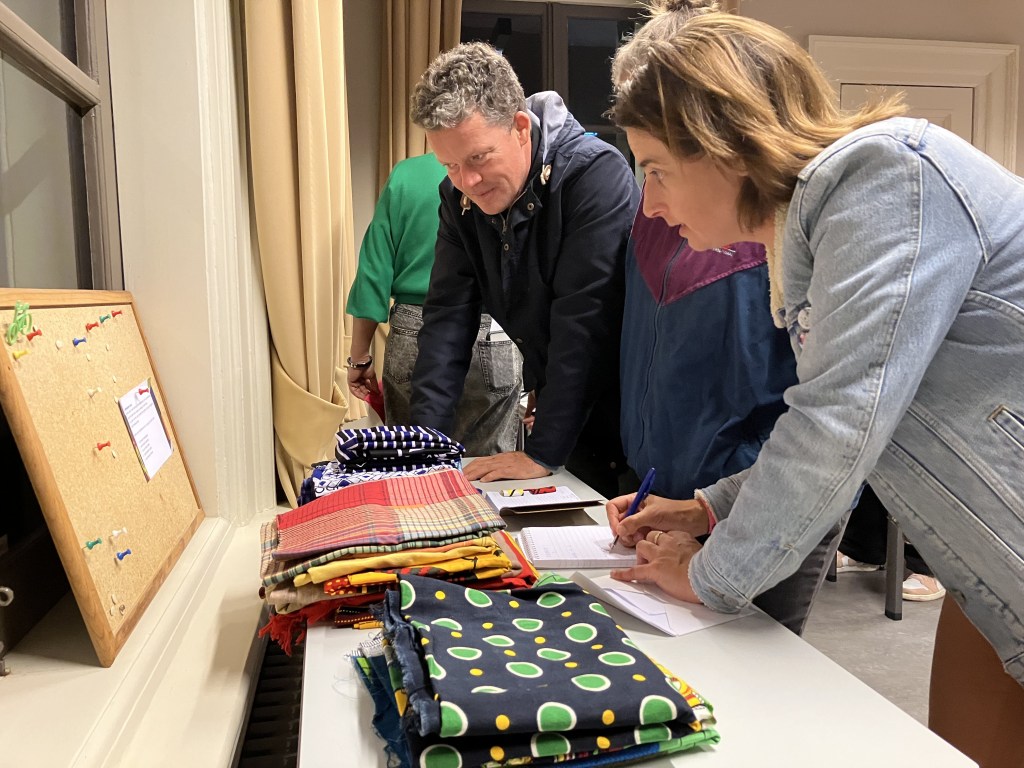
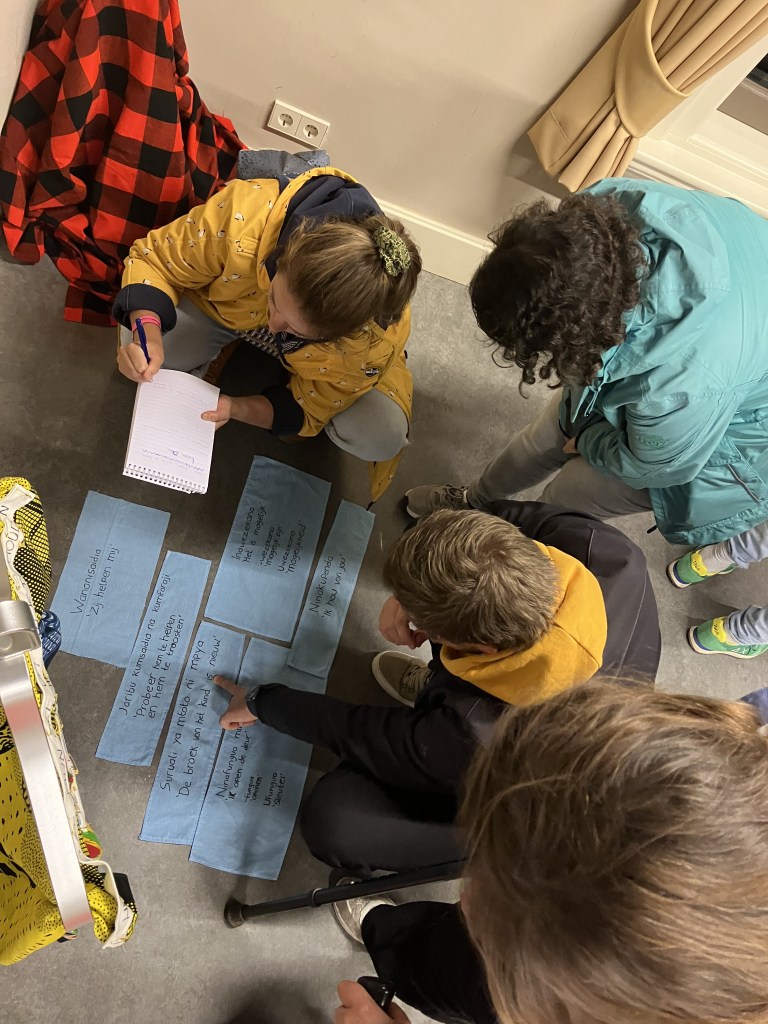
At the arts-and-knowledge event Nacht van Ontdekkingen in Leiden, we organised an escape room with African language puzzles. Young and old were invited to Mr Fexeni’s tailor’s workshop, but the famous fashion designer himself was nowhere to be seen… And the fashion show where his unique design was to be shown would start any minute now! Fexeni was sabotaged, but had foreseen this: he hid five puzzles in his workshop for us to open the safe and get his clothes onto the catwalk.
Student assistant Charlotte Wennekes created most of the puzzles and helped to decorate so the room would really feel like a tailor’s workshop. The reactions of the 70 participants were very enthusiastic after creating words in Chichewa, translating Swahili, and deciphering Ge’ez writing: “We had a lot of fun! And these languages work really differently!”
(1/9/2024) Student assistant Giosuè Balocco starts
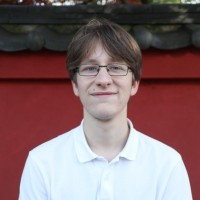
One of the tasks in the first year of the project is to trawl the literature on epistemicity and gather all the aspects of meaning. These aspects form the notions of the conceptual space we are studying. Giosuè Balocco, third-year student at Leiden University, will undertake part of this task in the coming year. Welcome aboard!
 MapLE project