The MapLE Languages
1. Taqbaylit – Kabyle
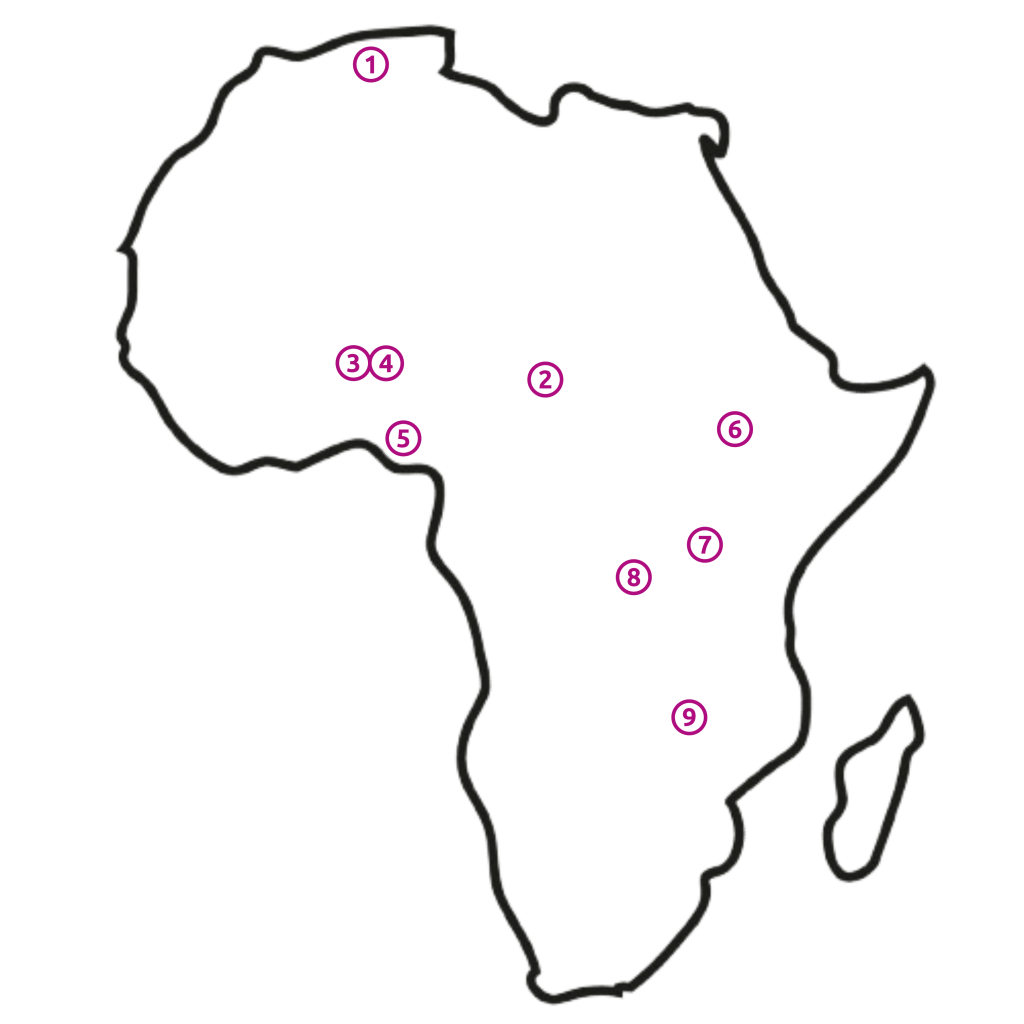
Ourida Manseri (INALCO) is currently working on the Taqbaylit language (also known as Kabyle, Berber family), spoken in northern Algeria. She is particularly interested in verum and its relation to focus.
2. Gizey
Guillaume Guitang (Oxford) is currently working on the Gizey language (part of the Massana group of the Chadic family) spoken in Cameroon. He is particularly interested in the expression of unsurprising, expected information and how this interacts with other categories within Gizey grammar.
3-4. Ashɛ and Waci
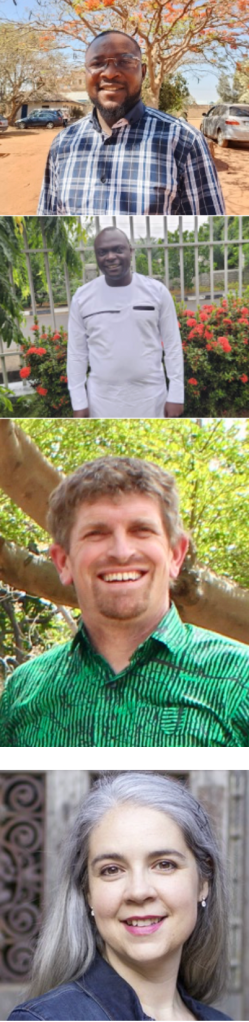
The “Jos team” (David Rowbory, Mungak Kopta, Payi Mafeng, Joseph Ibrahim Birnin-Tudu – SIL) and Rebecca Paterson (Princeton University) are working on Ashɛ and Waci, two Plateau languages of Nigeria. Among other interests, they are also curious to see how knowing about notions of epistemicity can improve their work in translation.

5. Igbo
Chiamaka Glory Nwokolo is investigating Igbo (Igboid), spoken in Nigeria. She is particularly excited about the expression of expectation in her language and especially whether there are different grammaticalized markers for Unexpectedness and Counterexpectation
6. Oromo
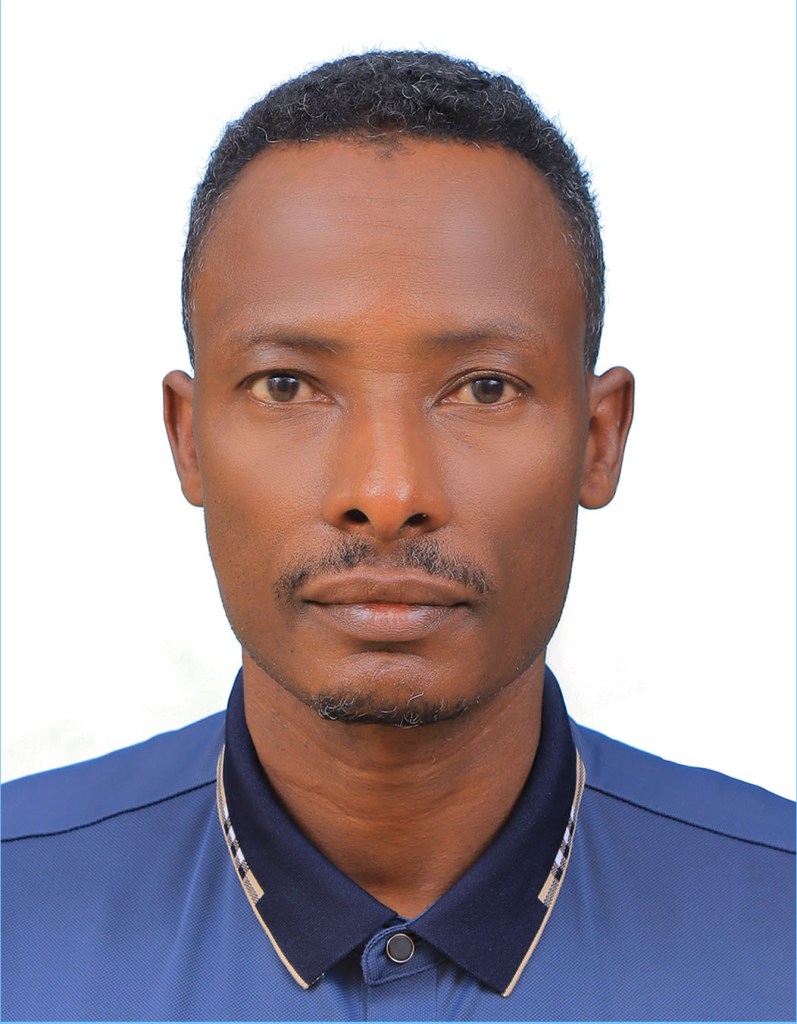
Eba Teresa Garoma (Jimma University) works on Afaan Oromo (Cushitic). He is particularly interested in the expression of verum and how markers with different degrees of grammaticalization may have different contributions.

7. Dholuo
Walter Sande (JOOUST) is currently working on the Dholuo language (Nilotic) of Kenya. He is particularly interested in understanding how Dholuo’s grammatical strategies to express information-structural notions relate to the rest of the epistemic space.
8. Kihunde
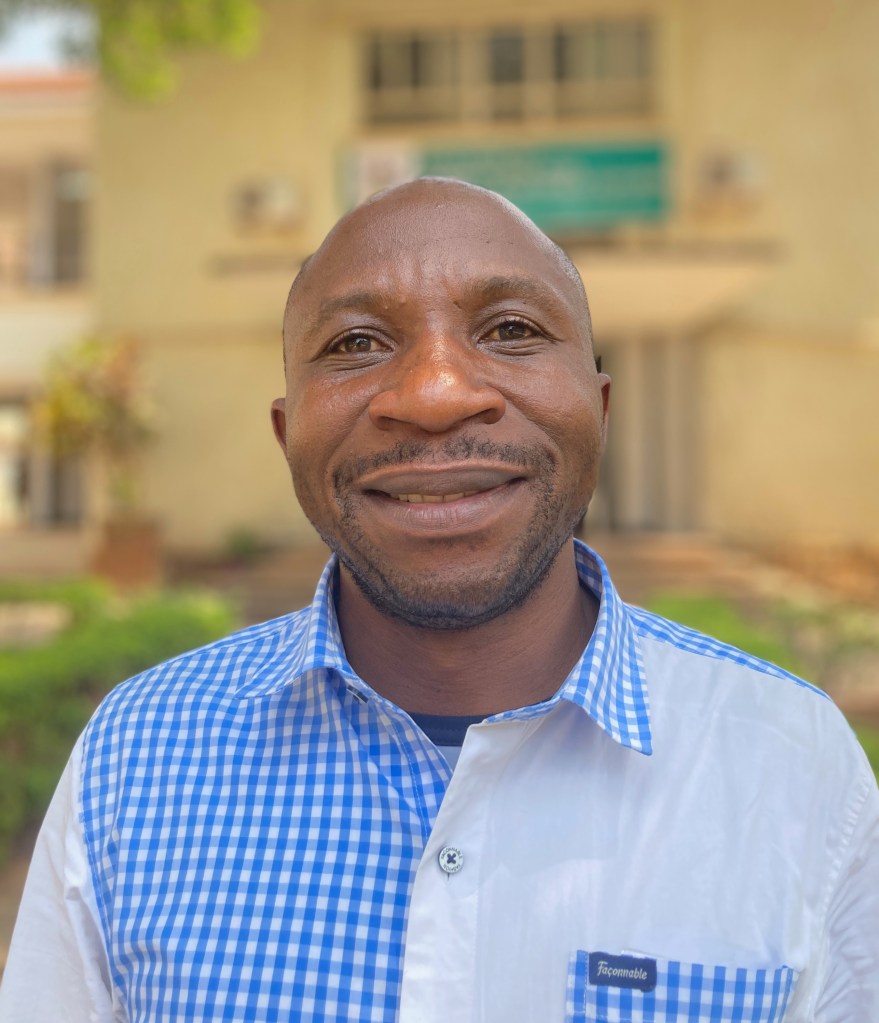
Jacques Muisha Muhabura (Goma) will be working on Kihunde, a Bantu language spoken in the DRC. Right now, he is interested in how different grammatical categories may contribute to the expression of certainty (or lack thereof) in the language.
9. Cinyungwe
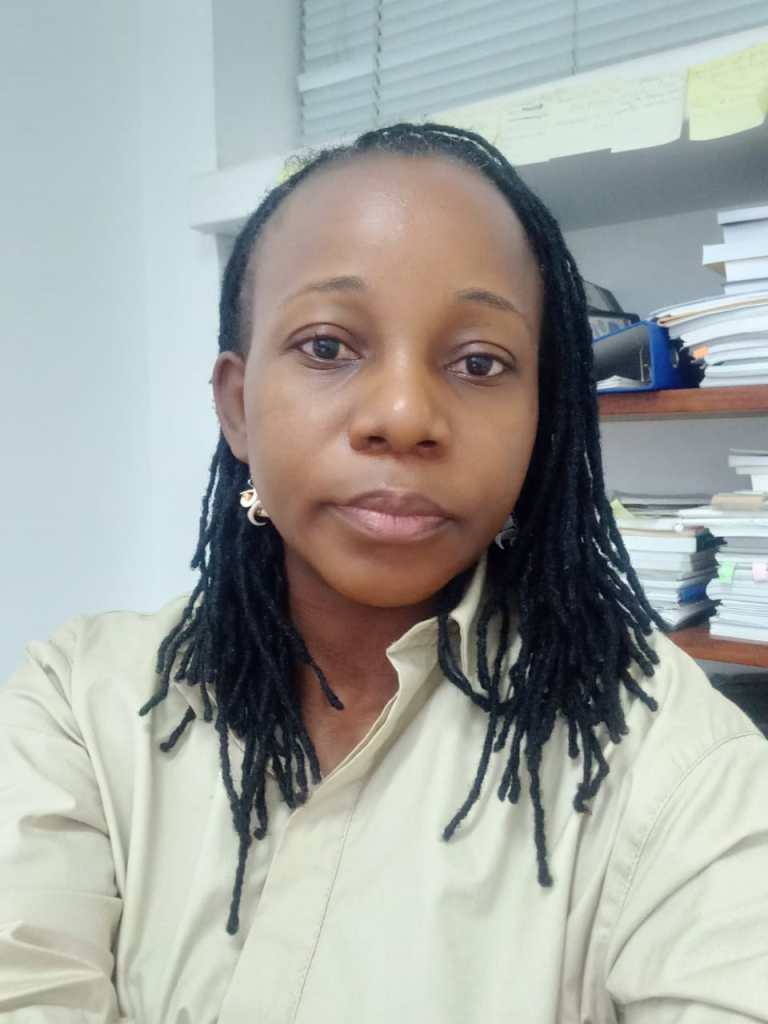
Crisófia Langa da Câmara (Leiden University) is the PhD of the project. She is working on the Cinyungwe language (Bantu) spoken in Mozambique. Her focus is on the expression of epistemicity in the language and on how verum is expressed and related to other epistemic notions.

